
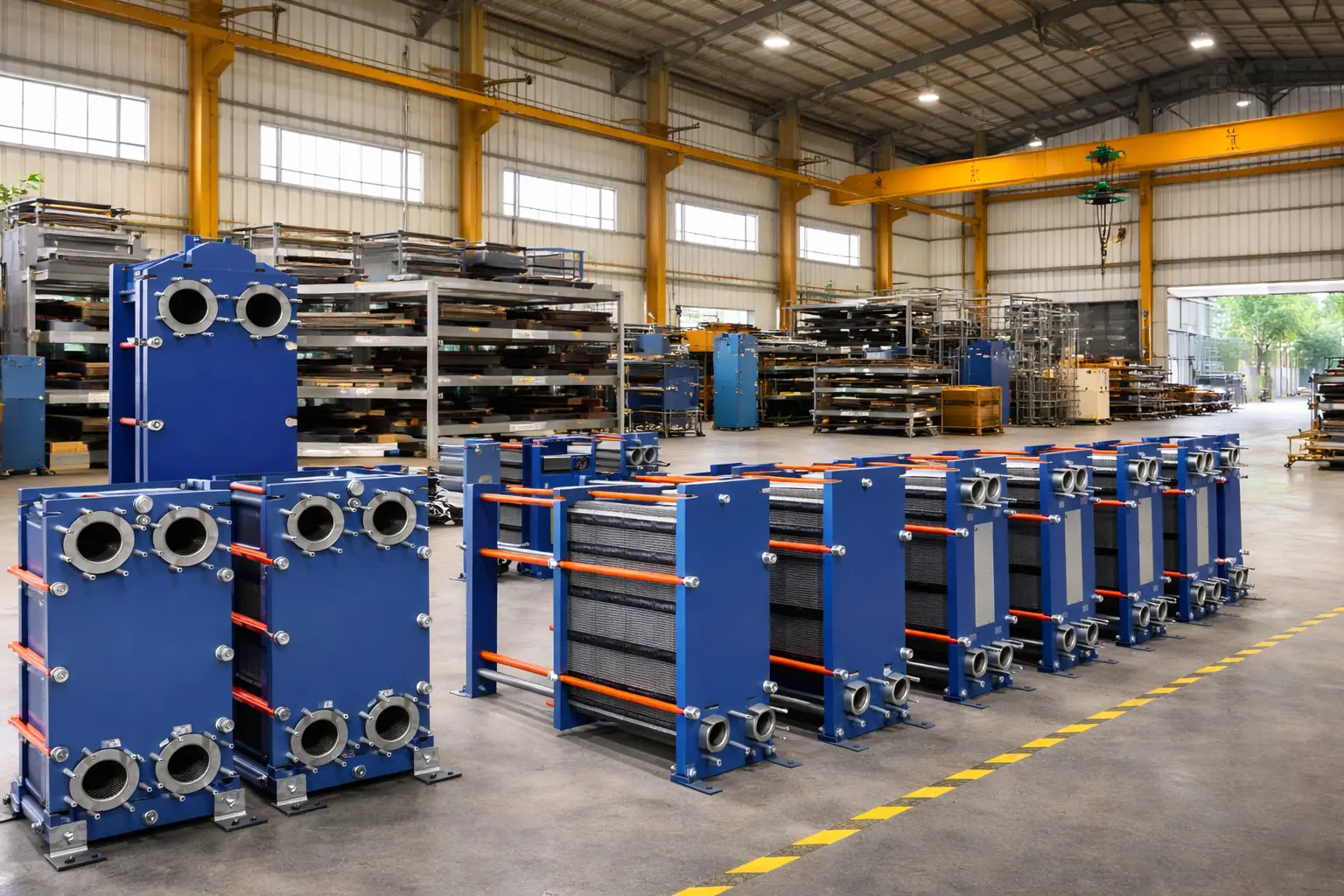
Industrial development across the Middle East has increased the demand for efficient thermal management systems in sectors such as oil and gas, district cooling, food processing, power generation, and commercial infrastructure. Among the most widely used technologies in these industries are plate heat exchangers. Because of their compact design, high heat transfer efficiency, and flexible installation, plate heat exchangers have become essential equipment in many industrial facilities across the Middle East.
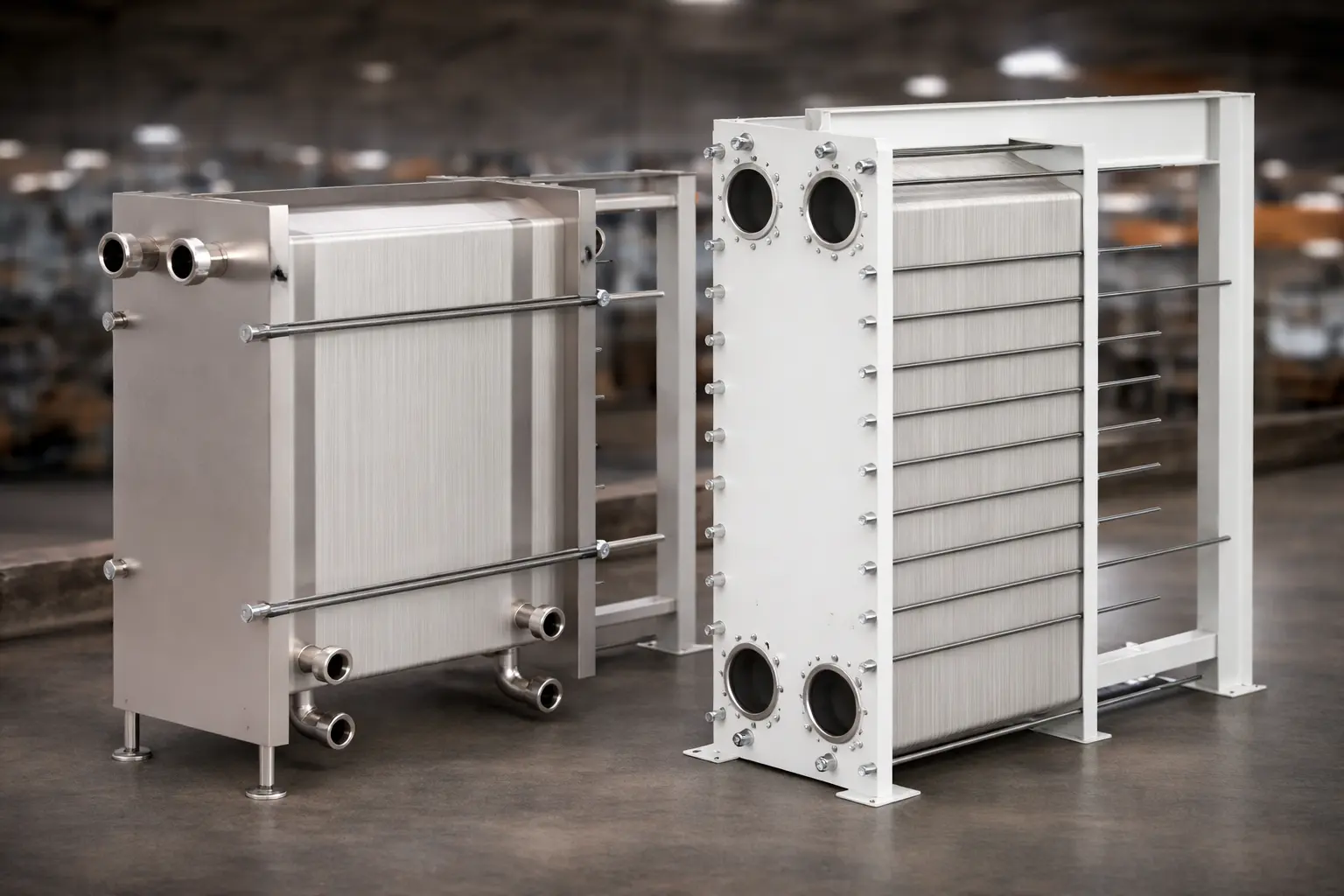
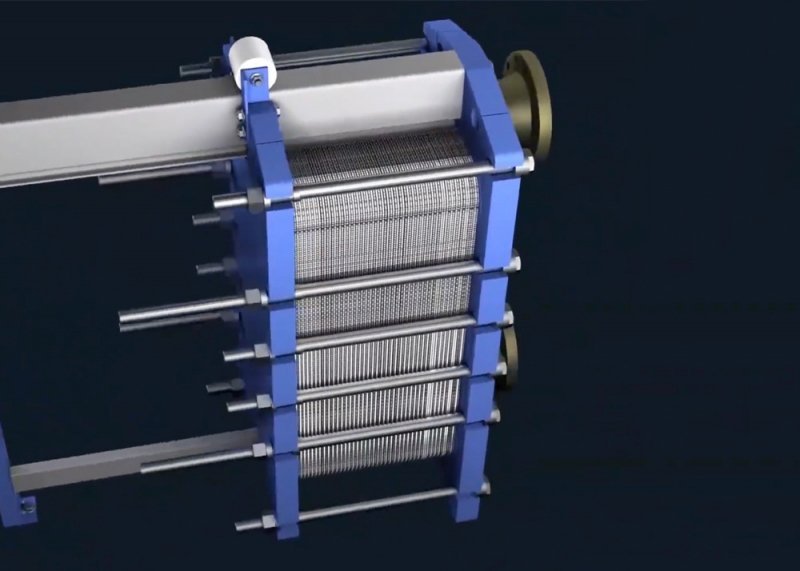
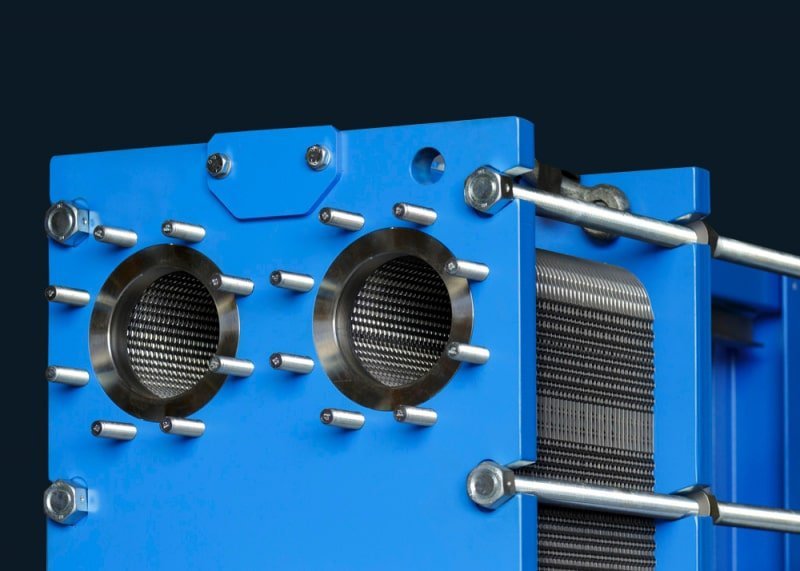
A plate heat exchanger phe system transfers heat between two fluids through multiple thin metal plates arranged in a stacked configuration. This design allows heat transfer without mixing the fluids, making plate heat exchangers suitable for heating, cooling, energy recovery, and industrial process applications.
Industries across countries such as the United Arab Emirates, Saudi Arabia, Qatar, and Oman frequently search for reliable plate heat exchanger manufacturers, dependable plate heat exchanger supplier networks, and competitive plate heat exchanger price options when installing or upgrading thermal systems.
Plate Heat Exchanger Working Principle
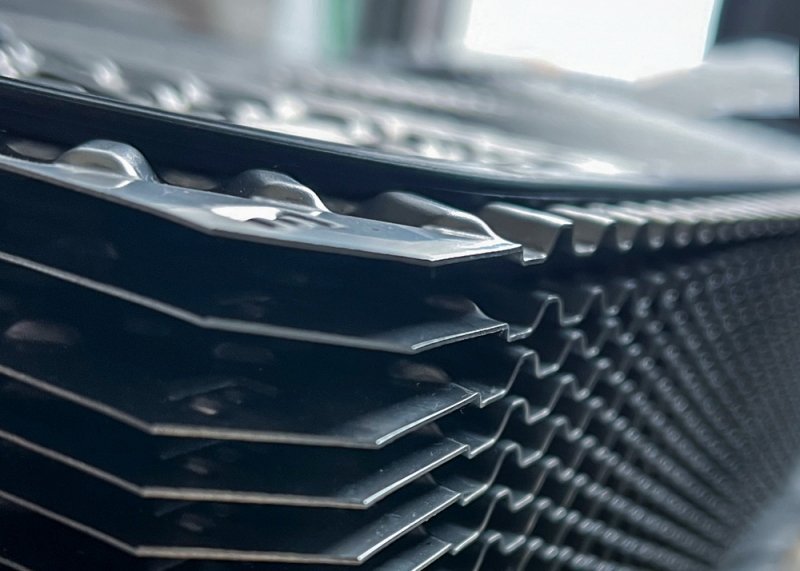
The plate heat exchanger working principle is based on transferring heat through metal plates that separate hot and cold fluids. Each plate contains a specially designed corrugated pattern that creates turbulence in the fluid flow. This turbulence significantly improves heat transfer efficiency compared to traditional heat transfer systems.
In a typical plate heat exchanger working process, hot fluid flows through one channel while cold fluid flows through another channel separated by a metal plate. Heat moves from the hot fluid to the cold fluid through the plate surface. Because of the large surface area provided by multiple plates, plate heat exchangers can transfer heat quickly and efficiently.
This design makes plate heat exchanger phe systems highly suitable for industries where compact equipment and high thermal efficiency are required.
Plate Heat Exchanger Manufacturers Serving the Middle East
As industrial infrastructure continues to grow across the Middle East, the demand for experienced plate heat exchanger manufacturers has increased significantly. Reliable plate heat exchanger manufacturers design and produce systems capable of handling high temperatures, variable pressures, and demanding operating environments.
When industries evaluate plate heat exchanger manufacturers, they typically consider the following factors:
- Engineering quality and manufacturing precision
- Material selection for corrosion resistance
- Plate design for optimal heat transfer
- Availability of replacement parts and service support
In addition to selecting reliable plate heat exchanger manufacturers, companies often work with a trusted plate heat exchanger supplier who can provide compatible plates, gaskets, and maintenance components when required.
Plate Heat Exchanger Price Considerations in the Middle East
The plate heat exchanger price can vary depending on several technical and operational factors. Industries in the Middle East usually analyze the plate heat exchanger price based on the specific application and system requirements.
Factors that influence plate heat exchanger price include:
- Plate material such as stainless steel or titanium
- Plate size and thickness
- Number of plates in the heat exchanger unit
- Gasket material and sealing design
- Pressure and temperature operating limits
Industrial buyers often compare specifications from multiple plate heat exchanger manufacturers and suppliers to determine the most suitable plate heat exchanger price for their applications.
Plate Heat Exchanger HVAC Systems in the Middle East
The Middle East region has one of the largest district cooling and HVAC infrastructures in the world due to high ambient temperatures. As a result, plate heat exchanger hvac systems are widely used in commercial buildings, hotels, hospitals, and industrial facilities.
A plate heat exchanger hvac system transfers heat between chilled water loops, cooling circuits, and heating circuits while maintaining high energy efficiency. Because of their compact design, plate heat exchangers are ideal for installations in mechanical rooms where space is limited.
HVAC engineers in the Middle East rely on plate heat exchanger hvac systems to improve cooling efficiency and maintain stable building temperatures even in extreme climatic conditions.
Plate Heat Exchanger Chiller Applications
Cooling plants and district cooling networks commonly use plate heat exchanger chiller systems. In these installations, the plate heat exchanger chiller transfers heat between refrigerant systems and chilled water circuits.
Large commercial developments, industrial plants, and data centers in the Middle East frequently use plate heat exchanger chiller systems to ensure reliable cooling performance.
Because of their efficient heat transfer capability, plate heat exchangers help reduce energy consumption in plate heat exchanger chiller systems while maintaining stable cooling capacity.
Plate Heat Exchanger Gasket Technology
Sealing performance is critical for maintaining proper operation of plate heat exchangers. A plate heat exchanger gasket ensures that fluids remain separated and that pressure is maintained inside the heat exchanger.
Modern plate heat exchanger gasket materials are designed to withstand high temperatures, pressure fluctuations, and chemical exposure. Common materials used in plate heat exchanger gasket manufacturing include EPDM and NBR elastomers.
Proper installation and maintenance of the plate heat exchanger gasket helps prevent leakage and ensures reliable long-term operation of the system.
Plate Heat Exchanger Cleaning and Maintenance
Routine plate heat exchanger cleaning is necessary to maintain efficient heat transfer performance. Over time, deposits, scale, and fouling may accumulate on plate surfaces, reducing heat transfer efficiency.
Regular plate heat exchanger cleaning helps restore thermal performance and extend equipment life. Maintenance teams often perform plate heat exchanger cleaning using chemical cleaning solutions or manual plate inspection during scheduled maintenance shutdowns.
Consistent plate heat exchanger cleaning is particularly important in industries where water quality or process fluids may cause scaling or fouling.
Plate Heat Exchanger for Milk Pasteurization and Food Processing
The food and dairy industry in the Middle East also relies on plate heat exchanger for milk pasteurization systems. In dairy processing plants, a plate heat exchanger for milk pasteurization heats milk to the required pasteurization temperature and then rapidly cools it to maintain product quality.
A plate heat exchanger in milk processing is also used in the production of yogurt, beverages, and other dairy products. Because of their hygienic design and easy cleaning capability, plate heat exchangers are ideal for food processing applications.
Plate Heat Exchanger Drawing and System Design
Engineering design plays a crucial role in heat exchanger performance. A detailed plate heat exchanger drawing helps engineers understand plate arrangement, flow direction, and gasket placement during installation and maintenance.
A typical plate heat exchanger drawing includes information about plate geometry, port configuration, gasket positioning, and plate stack arrangement. Accurate plate heat exchanger drawing documentation ensures proper system assembly and efficient heat transfer performance.
Industrial Applications of Plate Heat Exchangers in the Middle East
The versatility of plate heat exchangers allows them to be used in many industrial sectors across the Middle East. Common applications include:
- Oil and gas processing plants
- District cooling infrastructure
- HVAC heating and cooling systems
- Chemical processing facilities
- Food and dairy production plants
- Power generation facilities
These industries depend on reliable plate heat exchangers to maintain efficient thermal processes and stable production environments.
Conclusion
The rapid growth of industrial infrastructure in the Middle East has significantly increased the demand for efficient thermal management systems. Plate heat exchangers provide a reliable and compact solution for heating, cooling, and energy recovery applications.
By selecting experienced plate heat exchanger manufacturers, working with a dependable plate heat exchanger supplier, and understanding the factors that influence plate heat exchanger price, industries can install systems that support long-term operational efficiency.
From plate heat exchanger hvac systems in commercial buildings to plate heat exchanger chiller installations and plate heat exchanger for milk pasteurization in food processing plants, these systems continue to play an essential role in modern industrial heat transfer applications.